
What is butter paper used for?
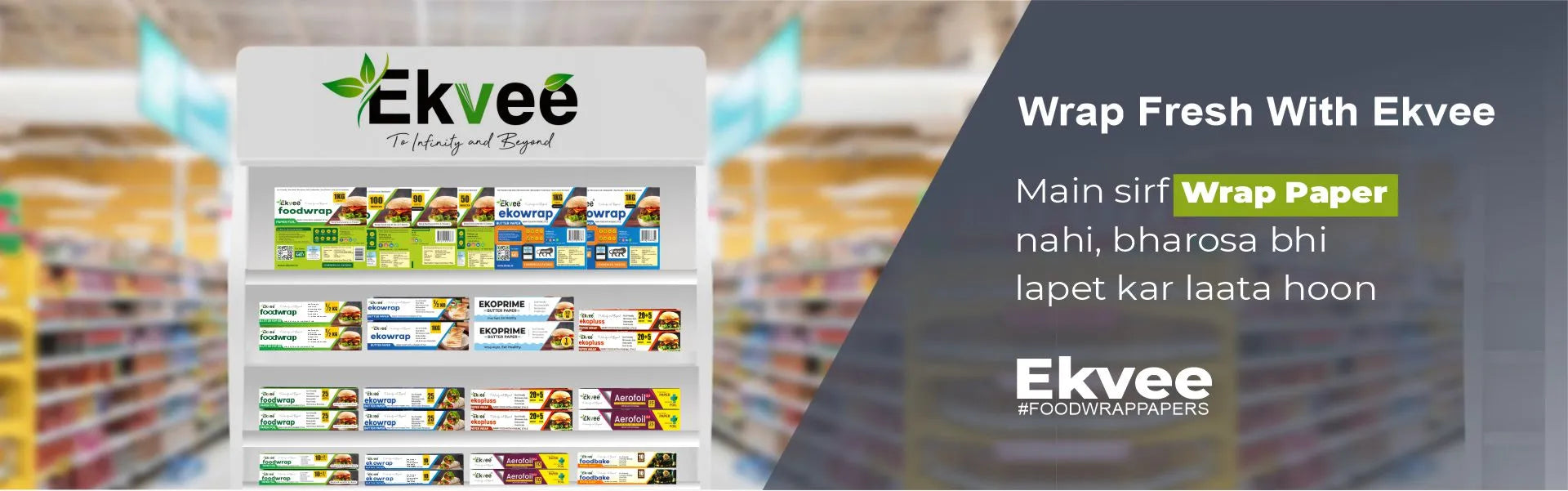
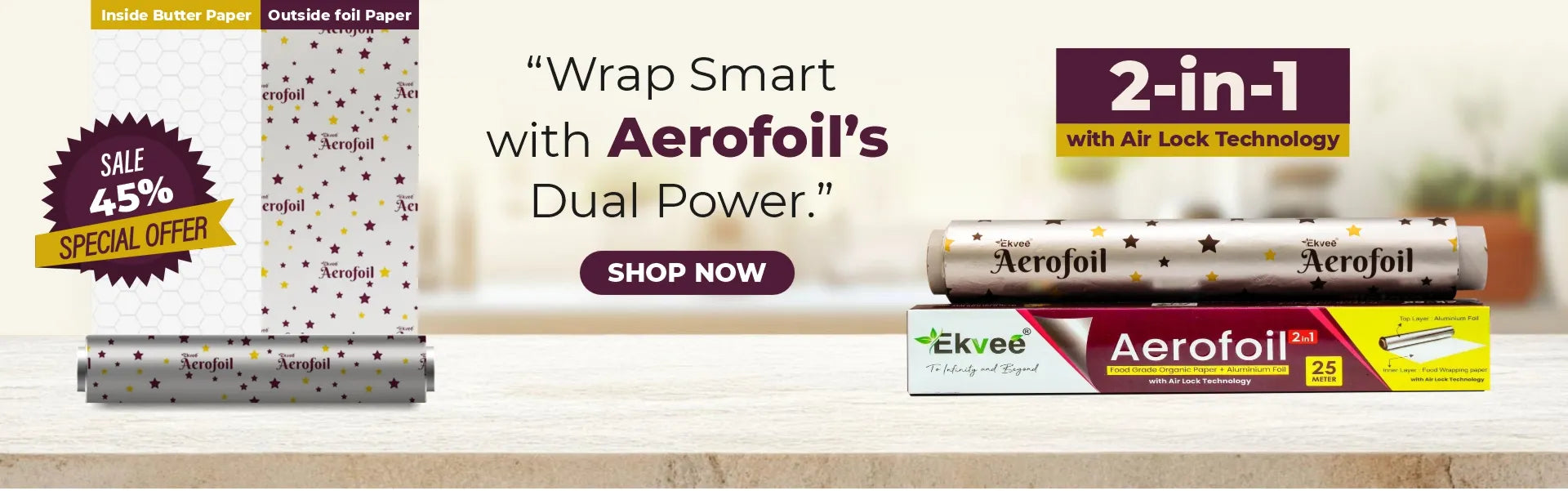
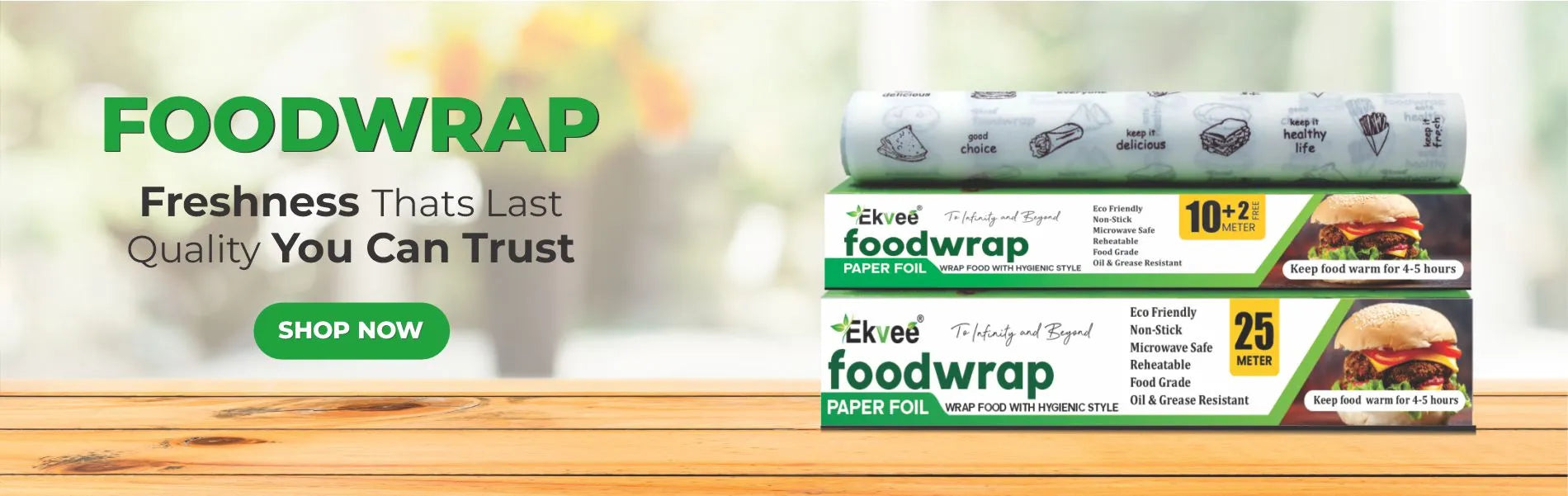
Explore the Range of Food Wrapping Papers
Discover Our Exquisite Butter Paper, Food Wrapping Papers, Aluminium Foil Paper and Baking Paper!
Wrap it up, keep it fresh


Our Products
Why Choose Ekvee?

Greaseproof

Moisture Balancing

Food Grade Ink

Biodegradable

Non-stick Surface
Latest Blog Posts

Air fryers have transformed modern kitchens, making cooking faster, healthier, and more useful. Whether you’re making crispy fries, grilled vegetables, or flavourful baked treats, one question many home cooks usually ask is: Can we use baking paper in an air fryer?
The simple answer is yes — baking paper can be securely used in an air fryer, but only when used properly. Selecting the right type of baking paper and following appropriate usage methods can make cooking cleaner, easier, and more effective.
Let’s discover everything you need to know.
What is Baking Paper?
Baking paper, also called parchment paper, is a heat-resistant, non-stick paper frequently used for baking and cooking. It is specifically created to withstand high temperatures while preventing food from sticking to trays or baskets.
In air fryers, baking paper supports minimising mess, prevents food from sticking, and makes maintenance considerably more convenient.
For busy kitchens and modern cooking living style, it has developed into a necessary cooking associate.
Can You Use Baking Paper in an Air Fryer?
Yes, you can use baking paper in an air fryer — but with safety measures. Air fryers work by passing hot air at high speed. If baking paper is not set accurately, it may fly nearby within the fryer and touch the heating unit, which could create a risk factor.
The key is to utilise baking paper accurately and securely.
Here’s how:
- Always place food on top of the baking paper to hold it down.
- Never put empty baking paper inside a warmed-up air fryer.
- Secure airflow holes stay open if utilizes holed paper.
- Cut the paper based on the basket size for appropriate air circulation.
When used accurately, baking paper turns into a practical tool that improves your cooking experience.
You May Also Like: Can butter paper be used in an air fryer
Benefits of Using Baking Paper in an Air Fryer
1. Easy Clean-up
One of the biggest reasons people use baking paper in air fryers is easy clean-up.
Grease, crumbs, sauces, and food particles frequently stick to the basket. Baking paper operates as a protective layer, minimising mess and saving time while cleaning.
In place of scrubbing the basket after every meal, easily eliminate the used paper and wipe the tray clean.
2. Prevents Food from Sticking
Sensitive foods such as fish, cookies, pastries, or marinated vegetables can sometimes stick to the fryer basket.
Using baking paper creates a non-stick surface that helps protect the shape and texture of your food and prevents breakage.
This method accurately cooks meals with less frustration.
3. Better for Oily or Saucy Foods
Foods with flavour blends, cheese, or dripping oils can make air fryer baskets messy.
Baking paper grabs extra grease and protects sauces from burning onto the surface, assisting preserve cleanliness and reducing smoke.
4. Supports Healthier Cooking
Since air fryers previously need less oil, using baking paper can additionally help a cleaner cooking approach.
It reduces unnecessary oil build-up and keeps food preparation more hygienic.
What Type of Baking Paper Should You Use?
Not all papers are appropriate for air fryers.
Choose food-grade, heat-resistant baking paper developed for cooking uses. Perforated baking paper (with holes) works particularly well because it provides proper airflow, which is crucial for even cooking in an air fryer.
Avoid:
- Wax paper (it may melt)
- Thin paper not designed for high heat
- Plastic-coated sheets
Quality important when it comes to safe cooking.
At Ekvee, kitchen accessibility and food-safe cooking methods are created to make everyday cooking easier and smarter.
Tips for Safely Using Baking Paper in an Air Fryer
To get the best results, keep these tips in mind:
Do:
✔ Place food over the paper before turning on the fryer
✔ Trim paper according to basket size
✔ Use heat-resistant baking paper
✔ Keep airflow space available
Don’t:
✘ Overfill the basket
✘ Use paper without food weighing it down
✘ Block all ventilation holes
✘ Exceed recommended cooking temperatures
Following these simple practices confirms safe, crispy, and delicious results every time.
At Ekvee, we understand that modern cooking demands practical, reliable solutions. Our Foodbake Baking Paper is specifically engineered for air fryer use, combining food-grade safety with superior heat resistance. Designed with perforations to maintain optimal airflow, Foodbake ensures your meals cook evenly while keeping your air fryer basket clean and protected.
Whether you're preparing delicate fish fillets, crispy vegetables, or homemade pastries, Foodbake Baking Paper delivers the non-stick performance and durability you need. Its premium quality means fewer worries about melting, warping, or compromising food safety — so you can focus on creating delicious meals.
Make every air fryer session easier with Ekvee Foodbake — the trusted choice for home cooks who value quality, safety, and convenience.
Final Thoughts
So, can we utilise baking paper in an air fryer? Completely— and it can make cooking cleaner, easier, and more enjoyable.
When used properly, baking paper helps prevent sticking, decreases mess, helps hassle-free clean-up, and enhances cooking comfort. The secret lies in opting for the right paper and using it securely.
As modern kitchens keep evolving to hold smarter cooking solutions, products like quality baking paper are turning into an everyday necessity for simple meal preparation.

When it comes to baking, roasting, or reheating food, one kitchen tool that frequently goes unseen is baking paper. From cookies and cakes to roasted vegetables and sandwiches, baking paper has turned into a trustworthy partner in both home and commercial kitchens. But one ordinary question continues — is baking paper safe for high heat?
The answer is yes, but knowing how to use it properly is crucial for both safety and food standards. In this blog, we’ll discuss everything you require to know about baking paper, containing its heat resistance, advantages, safe usage guidelines, and why it’s an essential for modern kitchens.
What Is Baking Paper?
Baking paper, also known as parchment paper, is an especially handled food-grade paper created to withstand oven temperatures while avoiding food from sticking to trays and pans. It is mainly coated with silicone, creating it non-stick, grease-resistant, and heat-resistant.
Unlike ordinary paper, baking paper is particularly produced for cooking and baking purposes. It supports preserving hygiene, improves cooking comfort, and minimizes the need for overflow oil or butter.
Is Baking Paper Safe for High Heat?
Yes, high-quality baking paper is mainly safe for oven use at high temperatures. Most baking paper products are created to accept temperatures between 220°C and 250°C (428°F to 482°F). However, the accurate heat limit is based on the quality and manufacturing criteria of the product.
Using baking paper within the suggested temperature range secures safe cooking without influencing food taste or quality. It also avoids direct contact between food and baking trays, decreasing burning and sticking issues.
However, baking paper should never be exposed directly to flames or heating elements, as it can ultimately scorch or burn under severe conditions.
Why Baking Paper Is Popular in Modern Kitchens
Parchment baking paper provides multiple practical advantages that make it a selected choice for professional bakers, cafes, restaurants, and home cooks.
1. Non-Stick Convenience
One of the biggest benefits of baking paper is its non-stick surface. Cakes, cookies, breads, and pastries produce easily without breaking apart, making baking cleaner and more productive.
2. Heat Resistance
Good-quality baking paper executes much less than high oven temperatures, creating it appropriate for baking, roasting, and reheating several food items.
3. Reduced Oil Usage
Because of its non-stick features, baking paper reduces the need for greasing trays with oil or butter, supporting the creation of lighter and healthier meals.
4. Easier Clean-up
Using baking paper keeps trays and pans cleaner by avoiding grease build-up and burnt food remains. This decreases washing time and enhances kitchen productivity.
5. Food Safety and Hygiene
Food-grade baking paper performs as a safeguarding layer between food and cookware, assisting in keeping hygiene standards in commercial and domestic kitchens.
Common Uses of Baking Paper
Baking paper is extremely flexible and can be used in various cooking functions, containing:
- Baking cookies and cakes
- Roasting vegetables
- Heating frozen snacks
- Wrapping food for steaming
- Air fryer cooking
- Lining sandwich presses and trays
- Preparing confectionery and chocolates
Its versatility and comfort make it helpful in bakeries, cafes, restaurants, and food delivery businesses.
Important Safety Tips While Using Baking Paper
Although baking paper is created for heat resistance, following proper utilization practices is crucial for safety.
Avoid Direct Flame Contact
Baking paper should not touch oven heating rods, gas flames, or barbecue fire immediately. Excess presence can generate burning or smoke.
Follow Temperature Guidelines
Always check the temperature direction supplied on the packaging. Outdoing the suggested heat limit may ruin the paper.
Use Food-Grade Baking Paper
Low-quality or non-certified paper may carry harmful chemicals or inadequate heat resistance. Constantly choose reliable food-grade baking paper from trustworthy manufacturers.
Do Not Reuse Excessively
While some baking paper can be recycled for light baking tasks, reproduced access to grease and high heat may weaken its execution over time.
Keep Proper Air Circulation
When using baking paper in air fryers or convection ovens, ensure proper airflow to prevent the paper from shifting toward heating elements.
Difference Between Baking Paper and Wax Paper
Many people confuse baking paper with wax paper, but they are not similar.
- Baking paper is heat-resistant and appropriate for oven use.
- Wax paper carries a wax coating that can melt or burn under high temperatures.
Using wax paper in ovens can be unsafe, so it’s essential to use genuine baking paper for baking functions.
How Ekvee Baking Paper Supports Safe Cooking
At Ekvee, quality and food safety are always preferred. Ekvee’s baking paper roll solutions are created to provide reliable heat resistance, non-stick performance, and hygienic food management for both commercial and household kitchens.
Whether you are baking cookies, arranging takeaway food, or roasting snacks, superior baking paper guides enhance cooking productivity while preserving food quality. Its long-lasting structure and grease-resistant features make it appropriate for modern food planning needs.
Final Thoughts
So, is baking paper safe for high heat? Completely — when used properly and within the suggested temperature range, baking paper is a safe, easy, and efficient solution for baking and cooking.
From avoiding sticking to boosting hygiene and decreasing clean-up time, baking paper proves to be an important tool in kitchens worldwide. The key is selecting high-quality food-grade paper and following proper utilization instructions.
As food display standards continue to develop, dependable baking paper products like those from Ekvee assist kitchens in obtaining better safety, comfort, and cooking execution every day.

In today’s rapid food industry, proper food wrapping isn’t just about display—it’s about freshness, hygiene, and customer fulfilment. Whether you run a restaurant, cloud kitchen, or food stall, using the right food wrapping paper and keeping methods can make a visible difference in food quality and durability. Let’s analyse the best practices to keep your food fresh, secure, and attractive.
1. Understand the Nature of Food
Different foods need different wrapping methods. Hot, greasy items like burgers and parathas require freshness-preserving yet grease-resistant wrapping, while dry snacks desire moisture safety.

- Hot & Greasy Foods: Use greaseproof paper or butter paper to avoid oil leakage and keep the texture.
- Dry Foods: Go for Kraft or food-grade paper that keeps moisture out.
-
Bakery Items: Parchment paper or baking paper works best to maintain softness and taste.
Selecting the right wrapping paper ensures food doesn’t turn soggy, dry, or contaminated.
2. Prioritise Food-Grade Materials
Never compromise on Protection. Always use approved food-grade wrapping materials that are free from dangerous chemicals. Low-quality wrapping can influence both taste and wellness.
Look for qualities like:
- Odour-free paper
- Non-toxic coating
- Heat resistance
Premium wrapping paper not only secures food but also creates trust with your customers.
3. Maintain Proper Temperature Control
Wrapping alone isn’t sufficient—temperature plays an important role in food keeping.
- Hot foods should be covered in materials that enable slight airflow to avoid an increase.
- Cold foods should be secured tightly to maintain freshness and avoid contamination.
For example, wrapping hot sandwiches in airtight plastic can trap steam and destroy texture, while broadly wrapping them in paper preserves crispness.
4. Use Layered Wrapping for Better Protection
For assured foods, a single layer isn’t sufficient. Layered wrapping improves durability and sanitation.
- Inner layer: Greaseproof or butter paper
-
Outer layer: Kraft paper or foil
This blend avoids leakage while including strength during delivery or takeout. It’s mainly helpful for food delivery businesses where managing can be rough.
5. Store Food in the Right Environment
Even the best wrapping paper won’t support it if the keeping conditions are weak.
- Keep food in clean, dry, and well-ventilated areas
- Prevent straight sunlight or extra humidity
- Use airtight containers for long-term storage
Appropriate storage enhances wrapping and extends shelf life considerably.
6. Label and Rotate Stock
If you handle large volumes of food, marking is essential. Always symbol:
- Date of preparation
- Type of food
- Storage instructions
Follow the FIFO method (First In, First Out) to ensure older items are used first. This decreases waste and keeps your operations effective.
7. Avoid Over-Wrapping
More isn’t always better. Over-wrapping can:
- Trap moisture
- Increase packaging cost
- Harm sustainability goals
Use just the right quantity of wrapping paper to balance security and effectiveness.
8. Focus on Sustainability
Modern buyers choose sustainable packaging. Switching to compostable, recyclable wrapping paper not only reduces environmental impact but also strengthens your brand image.
Sustainable options contain:
- Kraft paper
- Honeycomb wrapping paper
- Fluorine-free greaseproof paper
This small shift can make a big difference in customer understanding.
9. Ensure Hygiene During Wrapping
Even high-quality materials fail if sanitation isn’t preserved.
- Always wash hands or use gloves
- Use clean surfaces for wrapping
- Avoid direct contact with food when possible
Hygienic methods ensure your food stays safe from contamination.
10. Customise Wrapping for Branding
Wrapping isn’t just efficient—it’s also a branding chance. Custom-printed wrapping paper can:
- Enhance brand visibility
- Create a premium feel
- Improve customer recall
A well-wrapped product represents professionalism and awareness of information.
Final Thoughts
Wrapping and preserving food accurately is a mix of science and approach. The right wrapping paper, combined with proper holding techniques, secures your food remains fresh, Tasty, and Safe. Whether you’re helping with street food or moving a premium café quickly, these best techniques can raise your food quality and customer satisfaction.
Invest in the right materials and follow smart methods, and you’ll not only safeguard your food—but also your brand image.
What Our Customers Think!
Frequently Asked Questions
We're Available on